
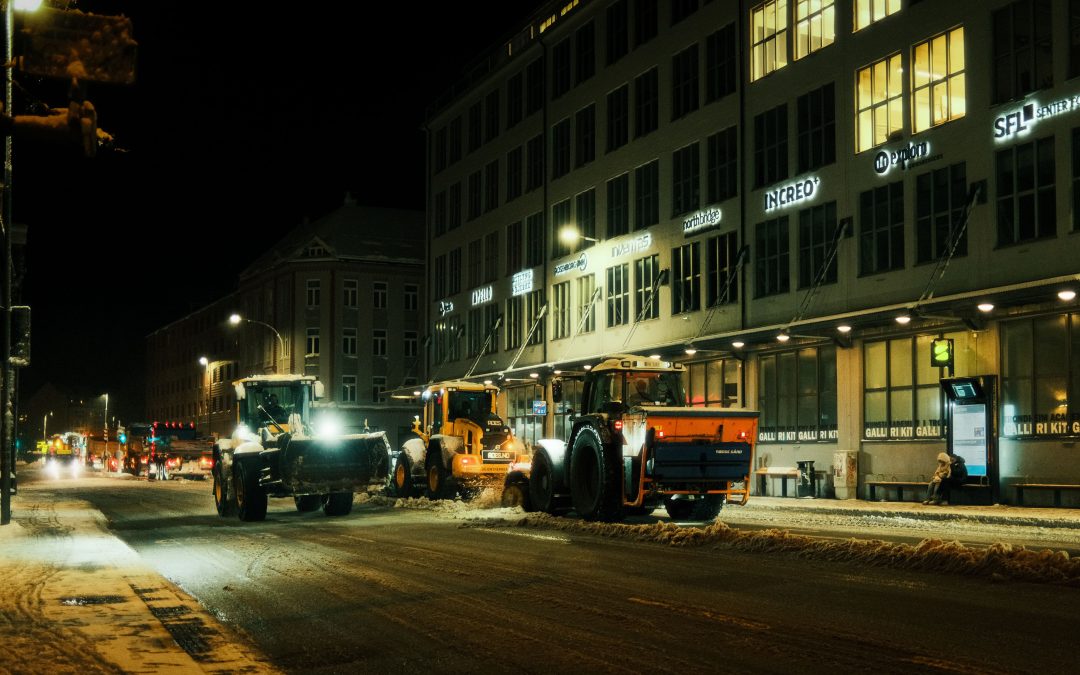
Effective snow removal is crucial for maintaining safe and accessible spaces during winter, especially for businesses. Yet even seasoned professionals make common mistakes that can increase costs, lead to property damage, or reduce the effectiveness of a snow-clearing plan. Whether you’re handling commercial or residential snow plowing, understanding these mistakes can help ensure safer and more efficient service.
1. Not Planning the Snow Removal Route in Advance
One of the biggest mistakes in snow plowing is failing to plan an efficient route. Without a pre-defined path, operators may make repetitive passes or miss areas that need clearing. An effective route plan can save time, fuel, and resources for commercial plowing, where parking lots and sidewalks require systematic clearing. Avoid this mistake by marking key locations that require special attention, like entrances, loading docks, or high-traffic areas, and by mapping out an optimal path before starting each job.
2. Ignoring Snow Pile Placement
Improper snow pile placement can cause serious issues. Piling snow in areas where melting can lead to water pooling or refreezing presents a hazard, especially in snow plowing for businesses with frequent foot traffic. Additionally, placing snow piles near storm drains or in front of building exits can lead to clogs and restricted access. Ensure that safe zones for snow piles are identified, keeping them away from footpaths, main entrances, and drainage areas. With careful planning, you’ll avoid issues that can lead to unnecessary costs and customer complaints.
3. Overusing or Underusing De-icing Materials
Using too much de-icing material, such as salt, can damage surfaces, cause harm to landscaping, and create a slippery residue that may pose risks to pedestrians. Conversely, using too little can leave the area unsafe, increasing the risk of accidents. For effective snow plowing, it is essential to apply the right amount of de-icer based on the temperature and thickness of the ice layer. Modern de-icing agents are more efficient, so it is worth investing in high-quality materials to use less product without sacrificing safety.
4. Failing to Adjust Plowing Technique Based on Surface Type
Different surfaces require different snow-clearing techniques. Concrete, asphalt, and gravel react differently to plowing and can suffer damage if improperly cleared. For instance, using a steel blade on gravel can scrape away too much of the surface, leading to erosion and costly repairs. For commercial plowing, ensure your team is well-trained in surface-appropriate plowing techniques, such as using rubber-tipped blades for sensitive surfaces and adjusting the plow height for gravel areas.
5. Overlooking Equipment Maintenance
Snow plowing equipment is subjected to intense conditions that can cause wear and tear. Skipping regular maintenance can lead to equipment breakdowns during a critical storm, impacting your ability to complete jobs on time. Ensure all equipment, including hydraulic systems, blades, and tires, is inspected regularly. Keeping your machinery in top condition will reduce downtime and costly repairs, especially during peak snow plowing season.
Avoiding Common Mistakes for More Efficient Snow Removal
Awareness of these common mistakes and implementing strategies to avoid them can make a big difference in your snow removal operations. Whether pre-planning your route, ensuring proper de-icing application, or maintaining your equipment, taking preventative steps can enhance the quality and efficiency of commercial plowing. Focusing on best practices ensures safer, clearer spaces for clients and customers throughout the winter season.
Keep Your Property Safe This Winter!
Don’t let snow and ice disrupt your business! At Doug’s Snowplowing & Sanding, we provide reliable, efficient snow removal services tailored to your needs. Our experienced team is ready to tackle winter weather challenges, ensuring your property remains accessible and safe. Contact us today to schedule your snow plowing and sanding services.
Recent Comments